

The Story Behind the Recipe
Japanese Mounjaro Recipe—every dish strives for balance between flavor, color, and nutrition. The Japanese Mounjaro Recipe embodies that philosophy in a modern way.
Japanese Mounjaro Recipe- It was inspired by everyday Japanese home meals that combine lean protein, fresh vegetables, umami-rich seasoning, and simple techniques to create food that feels both comforting and restorative.
Japanese Mounjaro Recipe– This recipe grew out of the idea that dinner can be wholesome without being complicated. Instead of heavy sauces or deep-frying, it uses light searing, gentle steaming, and a savory glaze built from soy sauce, mirin, and ginger. The result is a glossy, tender chicken dish that captures the clean, satisfying taste of Japan’s home kitchens—perfect for anyone who values mindful cooking.
What Makes Japanese Mounjaro Recipe Special
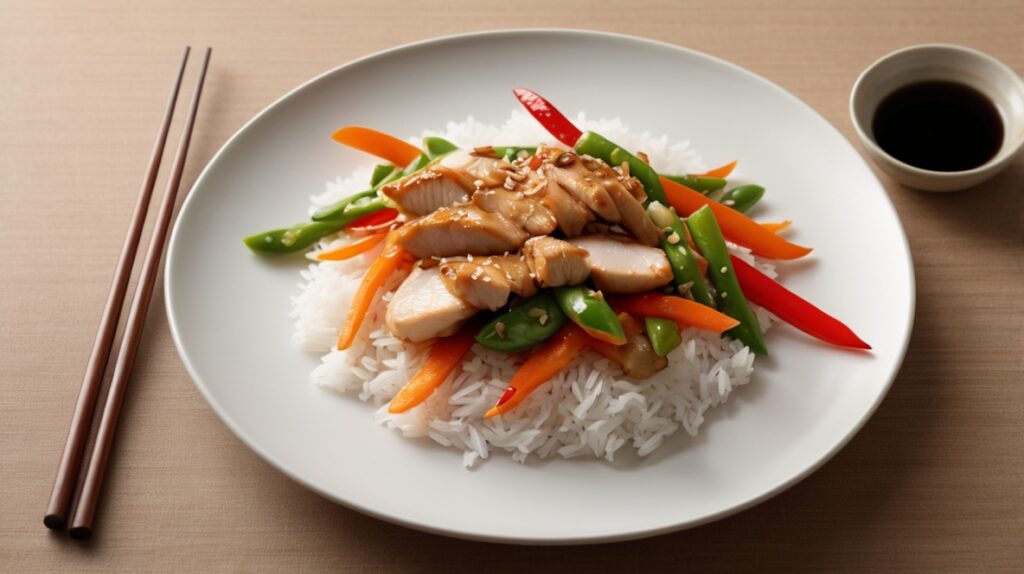
The Japanese Mounjaro Recipe is special because it delivers maximum flavor with minimal fat. Every element plays a purpose: the thinly sliced chicken cooks quickly and stays juicy, while the glaze forms a delicate sheen that enhances natural umami.
Japanese Mounjaro Recipe- The method mirrors the washoku approach, Japan’s traditional dietary pattern recognized by UNESCO for its emphasis on variety and seasonal balance. Instead of a single dominant flavor, this dish brings together savory, sweet, and slightly aromatic notes in equal measure. It’s also highly adaptable—you can turn it into a rice-bowl topping, bento protein, or light dinner entrée with miso soup and greens.
Ingredients for Japanese Mounjaro Recipe – Fresh, Simple & Full of Flavor
For four servings.
Protein
- 500 g boneless, skinless chicken breast (thinly sliced across the grain)
- ½ tsp sea salt
- ¼ tsp ground white pepper
Marinade / Glaze Base
- 3 tbsp low-sodium soy sauce
- 2 tbsp mirin (Japanese sweet rice wine)
- 1 tbsp sake (optional, for aroma)
- 1 tbsp rice vinegar
- 1 ½ tbsp honey or light brown sugar
- 1 tsp freshly grated ginger
- 1 clove garlic, finely minced
Vegetables & Garnish
- 1 cup sliced shiitake mushrooms
- 1 small carrot, julienned
- ½ cup snow peas or green beans, blanched
- 2 scallions, finely sliced
- Toasted sesame seeds for finishing
For Cooking
- 1 tbsp neutral oil (canola or grapeseed)
- ¼ cup water or unsalted chicken stock (to deglaze pan)
Step-by-Step Cooking Instructions for the Japanese Mounjaro Recipe
1. Prepare the Chicken
Pat the chicken slices dry with paper towel. Lightly season with sea salt and white pepper.
Thin slicing is crucial—it ensures quick, even cooking and a tender bite. If your knife isn’t razor-sharp, partially freeze the chicken for 15 minutes before slicing.
2. Make the Marinade / Glaze
In a small bowl, whisk together soy sauce, mirin, sake (if using), rice vinegar, honey, ginger, and garlic.
Set aside half of this mixture for glazing later; the rest will be used briefly to marinate the chicken.
3. Marinate Briefly
Add the chicken slices to a shallow dish or zip-bag. Pour in half of the prepared mixture.
Let stand for 10–12 minutes at room temperature—just long enough for the umami and sweet-savory flavors to coat the meat without breaking down texture.
4. Preheat Pan & Sear
Heat a large nonstick or carbon-steel skillet over medium-high heat.
Add 1 tbsp of neutral oil, swirling to coat evenly.
Lay the chicken slices in a single layer; avoid crowding. Sear for about 1½ minutes on the first side until lightly browned, then flip and cook another minute. Remove to a plate—don’t overcook; they’ll finish later in the glaze.
5. Cook the Vegetables
In the same pan, add mushrooms and carrots. Stir-fry for 1–2 minutes until lightly tender. Deglaze with a splash (¼ cup) of water or unsalted stock, scraping up any brown bits.
Return the chicken to the pan.
6. Add the Reserved Glaze
Pour in the reserved half of the marinade.
Reduce heat to medium and let the liquid bubble gently. Stir and toss until the chicken is fully coated and the sauce thickens slightly—about 2–3 minutes. The glaze should cling lightly, not pool at the bottom.
7. Finish and Garnish
Turn off the heat. Add snow peas (or green beans) to warm through. Sprinkle with scallions and toasted sesame seeds.
Taste and adjust: if you prefer more sweetness, drizzle ½ tsp honey; for extra saltiness, add a few drops of soy sauce.
8. Serve Hot
Serve immediately over steamed Japanese rice, mixed-grain rice, or alongside a small bowl of miso soup and pickled cucumber.
Serving Suggestions – What to Pair It With
The Japanese Mounjaro Recipe works beautifully as a stand-alone entrée or centerpiece in a well-rounded Japanese-style meal.
- With Steamed Rice: Short-grain white or mixed brown rice absorbs the savory glaze perfectly.
- With Miso Soup: A small bowl of miso soup featuring tofu cubes and wakame balances the salty-sweet chicken.
- With Pickles (Tsukemono): Cucumber, daikon, or ginger pickles cleanse the palate.
- With Noodle Bowls: Spoon the glazed chicken over soba or udon noodles for a satisfying lunch.
- In Bento: Cool slightly and pack into lunch boxes with tamagoyaki and lightly seasoned vegetables.
Customization & Variations
Japanese Mounjaro Recipe adapts easily to different needs:
- Protein Swaps: Substitute chicken with thin-sliced turkey, tofu, or shrimp.
- Vegetable Add-Ins: Broccoli florets, bell peppers, or spinach add extra color.
- Low-Sodium Version: Replace soy sauce with tamari-lite and reduce mirin by half.
- Gluten-Free: Use certified gluten-free soy sauce and omit sake if unsure of ingredients.
- Spicy Kick: Stir ½ tsp shichimi togarashi or a few drops of chili oil into the glaze.
Pro Cooking Tips for Japanese Mounjaro Recipe
- Knife Work Matters: Always slice across the grain for tender texture.
- Marinate Lightly: Ten minutes is plenty—too long makes the meat soft and watery.
- Pan Temperature: Medium-high heat seals juices; too low steams, too high toughens.
- Batch Cooking: If doubling, cook in batches to avoid crowding and soggy texture.
- Deglaze Wisely: Use water or unsalted stock; too much acid can break the glaze.
- Finishing Touch: Add sesame seeds only after removing from heat to prevent bitterness.
- Shine Factor: A final teaspoon of mirin brushed over at the end enhances sheen.
The Science Behind the Marinade for this Japanese Mounjaro Recipe
Japanese cuisine often depends on chemical balance rather than heavy fat for flavor.
- Soy Sauce: Adds glutamates that build umami depth.
- Mirin & Sugar: Caramelize during searing, forming a micro-glaze that traps moisture.
- Vinegar: Lowers pH, subtly tenderizing protein fibers.
- Ginger & Garlic: Contain enzymes that help break down muscle tissue for tenderness.
- Heat Control: Searing at 180–200 °C activates Maillard reactions, producing golden color and nutty aroma without over-drying the lean meat.
Health Benefits and Nutrition for this Japanese Mounjaro Recipe
Here Are The Nutritional Snapshot Japanese Mounjaro Recipe
A single serving (approx. 200 g) delivers roughly:
- Calories: 290 kcal
- Protein: 33 g
- Fat: 8 g
- Carbohydrates: 15 g
- Sodium: 580 mg
This balance mirrors modern wellness principles—moderate carbs, lean protein, and minimal oil. The inclusion of vegetables adds fiber, vitamins A and C, and antioxidants. Using a quick-cook glaze means no deep-frying, reducing saturated fat dramatically.
Why Dinner Is the Perfect Choice
Dinner is when your body can fully appreciate a meal that satisfies without heaviness. The mild sweetness and warmth of this chicken complement calm evening moods, and the light sauce pairs well with tea or rice wine. It’s also meal-prep-friendly: cook once, store neatly, and reheat with no loss of flavor.
Storing & Reheating
- Refrigerator: Store in airtight glass containers up to 3 days.
- Freezer: Freeze portions in sauce up to 1 month.
- Reheat: Thaw overnight, warm gently in skillet with 1 tbsp water; do not microwave uncovered—it dries the glaze.
Reader Q&A for this Japanese Mounjaro Recipe Dish– Common Questions
- Can I use chicken thighs instead of breasts?
Yes—thighs give richer flavor; trim fat and adjust cooking time slightly longer. - Is mirin necessary?
It adds authentic sweetness and gloss; you can substitute 1 tbsp rice wine + ½ tsp sugar. - Can I bake instead of pan-sear?
Yes—bake at 400 °F (200 °C) for 12–14 minutes, brush with glaze halfway through. - Does this taste like teriyaki?
Slightly, but lighter and less sugary; it’s closer to tsukune-style glaze. - Can I meal-prep this for the week?
Absolutely—store in divided containers; reheat portions as needed. - What rice works best?
Japanese short-grain or sushi rice; brown rice for extra fiber. - Is it spicy?
No, but you can add chili flakes or wasabi powder for heat. - Can I omit sake?
Yes—replace with extra mirin or 1 tbsp apple juice. - Can I grill instead?
Yes—thread onto skewers and grill 2–3 minutes each side, brushing glaze. - What if I don’t have mirin?
Use 1 tbsp honey + 1 tsp rice vinegar. - Can I make it oil-free?
Use a non-stick pan and a teaspoon of water to start searing. - Will it taste the same with tamari?
Yes—tamari adds deeper umami and keeps it gluten-free. - Can I add tofu for a vegetarian version?
Yes—press and pan-sear tofu slices first. - What side drinks pair well?
Green tea, cold barley tea, or light sake. - How can I make it sweeter?
Add ½ tsp more honey after glazing. - How can I make it saltier?
Add a few drops of soy sauce during reduction. - Can I use frozen chicken?
Yes—thaw fully and pat dry before slicing. - Why slice thinly?
Ensures even cooking and better sauce absorption. - What pan type is best?
Carbon steel or cast iron for even sear. - Can I double the recipe?
Yes—cook in two batches. - Can I use olive oil?
Prefer neutral oil; olive can overpower subtle flavors. - Can I serve it cold?
Yes—it’s excellent in chilled noodle salads. - Can kids eat this?
Yes—flavors are mild and not spicy. - How long does the glaze last refrigerated?
Up to 7 days in sealed jar. - Can I make it low-carb?
Serve with cauliflower rice instead of grains. - Can I add sesame oil?
Yes—½ tsp at the end adds aroma. - Can I use white wine instead of sake?
Yes, dry white wine works. - Can I use maple syrup instead of honey?
Yes—slightly stronger flavor but pleasant. - What vegetables go best in winter?
Bok choy, napa cabbage, or mushrooms. - What’s the best garnish?
Scallions, sesame, and a touch of nori flakes. - Can I turn this into a soup?
Yes—add chicken stock and simmer lightly. - How do I prevent sauce burning?
Lower heat once glaze starts bubbling; stir constantly. - Can I pack this for office lunch?
Yes—cool fully before sealing to avoid condensation. - What’s the shelf life after reheating?
Consume within 24 hours for best taste. - Why is this called “balanced”?
Because it represents harmony of protein, vegetables, and seasoning—the core of Japanese culinary balance.
Final Thoughts
The Japanese Mounjaro Recipe proves that nutrition and pleasure can coexist on one plate. Its light glaze, crisp vegetables, and delicate aroma create an elegant meal that fits busy schedules without compromising health or authenticity. It’s ideal for anyone seeking mindful dining—delicious, disciplined, and full of quiet satisfaction.
Tried This Recipe?
If you enjoy this Japanese Mounjaro Recipe dish, I’d love to see your version! Share your photos and tag me or follow my Pinterest board for more balanced dinner inspiration:
👉 Follow Me on Pinterest
| Join us on Telegram for quick updates 👉 | Join Now |
| Join us on WhatsApp for free tips 👉 | Join Now |
| Read a New Recipe 👉 | Read Now |

Hi, I’m Sayan, the creator behind Mamacooksdinner.com. I’m passionate about making home cooking easy and enjoyable for everyone. Whether you’re a beginner or an experienced chef, my goal is to help you create delicious meals with simple ingredients.